
Choose Language: EN
Blog
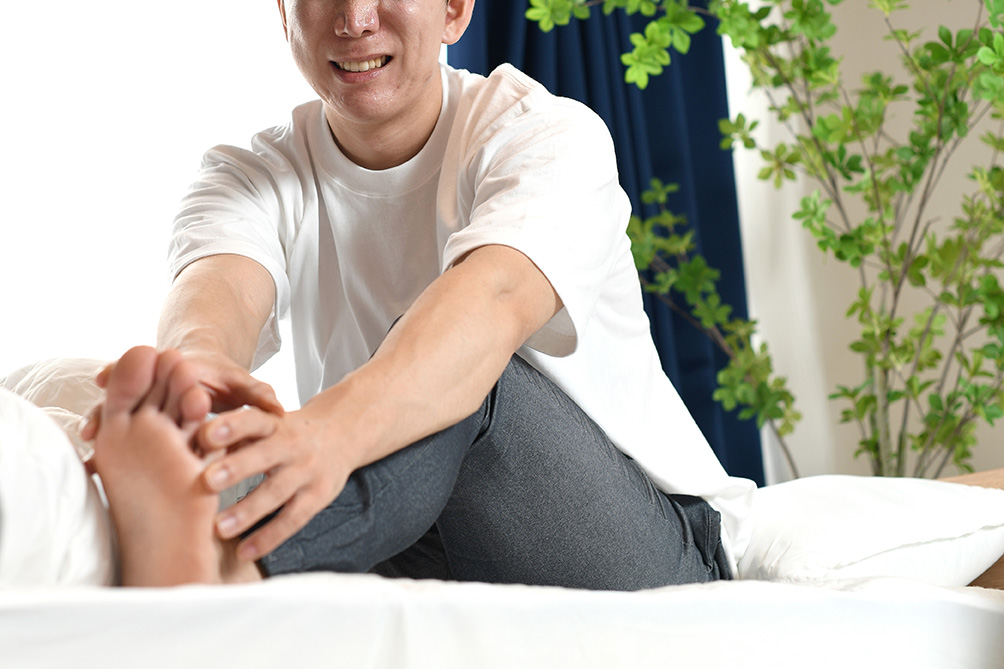
Man experiencing gout pain in the foot.
A/Prof Leong Keng Hong - Senior Consultant Rheumatologist
A/Prof Leong Keng Hong Senior Consultant Rheumatologist MBBS (Singapore)MMed (Singapore)MD, MRCP (UK)FAMS (Singapore)FRCP (Edinburgh)

Preventing Gout Before It Affects Heart Health

Gout is often known for its sudden and intense joint pain, but its impact can extend beyond flare-ups in the feet or hands. When uric acid levels remain elevated over time, the effects are not limited to the joints alone and may influence broader aspects of health, including the cardiovascular system.

While much attention is placed on treating gout pain when attacks occur, there is growing emphasis on prevention as a way to reduce recurrence and support long-term wellbeing. By understanding what drives gout and how it can be managed early, individuals may be able to lower both joint-related discomfort and wider health risks over time.


Why Gout Prevention Matters for Long-Term Health

Gout develops when uric acid levels in the blood become elevated, leading to crystal formation in joints. While gout disease treatment during flare-ups is important, prevention focuses on reducing how often these episodes occur in the first place.

Frequent or poorly controlled gout may contribute to ongoing inflammation in the body. Over time, this inflammatory burden can place additional stress on blood vessels and metabolic systems. This is one of the reasons why early management is often encouraged, even when symptoms appear occasional or mild.

Understanding What Drives Uric Acid Build-Up

To prevent gout effectively, it helps to understand why uric acid levels rise. In many cases, the body either produces too much uric acid or does not eliminate it efficiently through the kidneys. This imbalance is also part of why gout affects heart health, as ongoing inflammation and metabolic stress can influence both joint and cardiovascular systems over time.

Several factors can contribute to this imbalance. Genetics may play a role, but lifestyle and metabolic health are often significant influences. Weight changes, kidney function, diet patterns and certain medical conditions can all affect uric acid levels over time.

Lifestyle Habits That Support Gout Prevention

Healthy balanced diet featuring a variety of vegetables and nutritious foods.

Small, consistent changes in daily habits can make a meaningful difference in reducing the risk of gout flares.

Maintaining a Healthy Body Weight

Excess weight can increase uric acid production and reduce the body's ability to clear it efficiently. Gradual weight management through balanced eating and regular movement can support both gout prevention and cardiovascular health.

Staying Hydrated

Adequate fluid intake helps the kidneys remove uric acid more effectively. Regular hydration throughout the day supports kidney function and may reduce the likelihood of crystal formation.

Being Mindful of Food Choices

Reducing frequent intake of high-purine foods such as certain meats and seafood may help some individuals better control their condition. A balanced diet that includes vegetables, whole grains and lean protein sources is generally encouraged.

Limiting Alcohol Intake

Alcohol, particularly beer and spirits, can raise uric acid levels and reduce excretion. It may also contribute to weight gain and metabolic strain. Moderation or reduction can support both gout control and heart health.

The Role of Medical Management in Prevention

Lifestyle changes are important, but they are often most effective when combined with appropriate medical care.

Monitoring Uric Acid Levels

Regular blood tests can help track uric acid levels over time. This allows early adjustments before symptoms escalate.

Preventive Medication Where Needed

For some individuals, gout medication may be recommended to reduce uric acid production or improve elimination. This is particularly important in those with frequent flares or additional health risks.

Managing Coexisting Conditions

Gout often occurs alongside other conditions such as high blood pressure, diabetes or kidney issues. Managing these together is important as they can influence each other and contribute to overall cardiovascular risk.

Recognising When Early Intervention Is Needed

Gout prevention is most effective when addressed early. Some signs that may indicate the need for medical review include:

  • Repeated joint pain or swelling
  • Increasing frequency of gout attacks
  • Difficulty controlling symptoms with usual measures
  • Presence of other conditions such as hypertension or kidney concerns
  • New or unexplained changes in joint health

Taking a Proactive Approach to Your Health

Preventing gout is not about eliminating every possible risk factor but about building steady, sustainable habits and paying attention to early changes. When symptoms become recurring or there are concerns about long-term impact, early evaluation with a gout specialist can help provide clarity and guide the next steps. Timely gout treatment may also help reduce the likelihood of repeated flare-ups and lower the risk of ongoing joint complications.

At Leong Keng Hong Arthritis & Medical Clinic in Singapore, A/Prof Leong Keng Hong provides careful assessment and management of gout and other rheumatological conditions, with a focus on long-term joint and systemic health. For a clearer understanding of symptoms or personalised guidance on prevention and gout treatment, arrange a consultation today for a more informed and confident path forward.

Meet Our Rheumatologist in Singapore

A/Prof Leong Keng Hong
Senior Consultant Rheumatologist

MBBS (Singapore) MMed (Singapore) MD, MRCP (UK) FAMS (Singapore) FRCP (Edinburgh)

A/Prof Leong Keng Hong is a senior consultant rheumatologist based at Gleneagles Medical Centre and an Adjunct Associate Professor at the Yong Loo Lin School of Medicine, National University of Singapore. A respected figure in Singapore’s rheumatology community, he is the founder of the Osteoporosis Society (Singapore), established in 1996, and previously served as its President. He also held key leadership roles within the Academy of Medicine, Singapore, including Inaugural Chairman of the Chapter of Rheumatologists.
Top