

Choose Language: EN
Blog
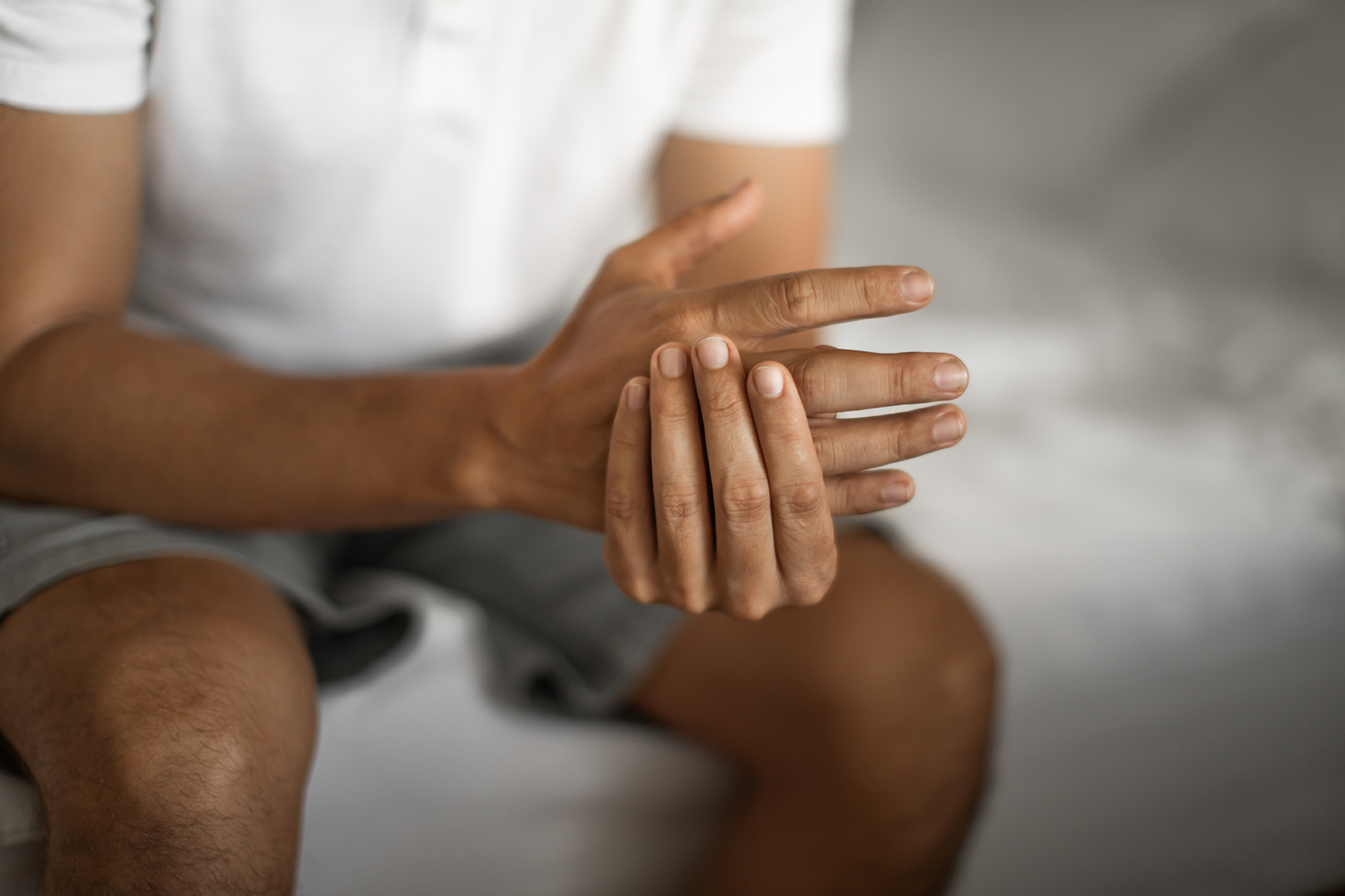
Man experiencing arthritis-related joint pain and stiffness in the fingers.
A/Prof Leong Keng Hong - Senior Consultant Rheumatologist
A/Prof Leong Keng Hong Senior Consultant Rheumatologist MBBS (Singapore)MMed (Singapore)MD, MRCP (UK)FAMS (Singapore)FRCP (Edinburgh)

Early Signs of Arthritis: Symptoms You Should Not Ignore

Arthritis is commonly linked to ageing, but joint pain and stiffness can affect people of all ages and lifestyles. What may begin as mild discomfort after daily activities or stiffness in the morning can gradually progress into persistent symptoms that affect mobility, independence and overall quality of life.

Because these changes often develop slowly, many people dismiss them as temporary strain or a normal part of getting older. However, recognising the early signs of arthritis and seeking timely medical assessment may help identify underlying joint conditions before symptoms worsen further.


Persistent Joint Pain That Does Not Improve

One of the most common symptoms of arthritis is ongoing joint pain. This discomfort may develop gradually or appear suddenly depending on the underlying condition. Some individuals notice aching after physical activity while others experience pain even during periods of rest.

The pain may affect different joints including the knees, hands, hips, shoulders or spine. It can also vary in intensity from mild discomfort to severe pain that interferes with daily activities such as climbing stairs, typing or walking for extended periods.

While occasional soreness after exercise is normal, persistent pain that continues for weeks should not be ignored. Recurrent joint pain may indicate inflammation, cartilage wear or other degenerative changes within the joint.

Morning Stiffness That Lasts Longer Than Expected

Joint stiffness after waking up is another early warning sign of arthritis. Many people with arthritis describe their joints feeling tight, difficult to move or uncomfortable first thing in the morning. In some cases, the stiffness improves after gentle movement. However, if it lasts for more than 30 minutes regularly, it may suggest inflammatory arthritis such as rheumatoid arthritis.

Stiffness can also occur after sitting still for prolonged periods. For example, some individuals notice difficulty standing up after working at a desk or travelling for long periods. This reduced flexibility can gradually affect mobility and overall comfort.

Swelling Around the Joints

Inflammation within the joints may cause visible swelling. Affected joints can appear puffy, enlarged or tender to the touch. Some people also notice warmth or redness around the area.

Swelling commonly occurs in the fingers, wrists, knees and ankles, though it can affect almost any joint in the body. Inflammatory arthritis may cause swelling that comes and goes while osteoarthritis may lead to gradual enlargement of the joints over time. Ignoring persistent swelling can result in ongoing inflammation that may eventually contribute to joint damage. Seeking medical evaluation at an arthritis clinic can help determine the underlying cause and appropriate management options.

Reduced Range of Motion

Arthritis can gradually make it harder to move joints freely. Simple activities such as bending the knee, gripping objects or reaching overhead may become increasingly difficult. Some people notice clicking sensations or a feeling that the joint is not moving smoothly. Others may avoid certain movements because they trigger discomfort. Over time, reduced range of motion may affect work, exercise and everyday routines.

Joint Pain That Changes With Weather or Activity

Certain types of arthritis may cause symptoms that fluctuate depending on activity levels or weather conditions. Some individuals experience worsening pain after long periods of standing, walking or repetitive movement. Others notice increased discomfort during colder or rainy weather.

While occasional fluctuations can happen, repeated patterns of joint pain may suggest underlying arthritis. Paying attention to when symptoms occur and what seems to trigger them can provide useful information during medical assessment.

Fatigue and General Tiredness

Woman appearing fatigued and low in energy.

Inflammatory forms of arthritis can affect more than just the joints. Some people experience ongoing fatigue, low energy levels or a general sense of feeling unwell. This can happen because inflammation within the body may contribute to tiredness and reduced stamina. Individuals with rheumatoid arthritis or psoriatic arthritis may feel exhausted even after adequate rest.

Symptoms in the Hands and Fingers

The hands are commonly affected by arthritis. Early signs may include finger stiffness, difficulty gripping objects or discomfort while writing or using mobile devices. Some individuals develop small bony enlargements around the finger joints over time. Others may notice weakness when opening jars or carrying objects.

Take the Next Step Towards Better Care for Your Joints

Arthritis symptoms often develop quietly at first and may be easy to overlook in the early stages. Paying attention to these subtle changes in your joints can make it easier to seek timely medical advice, so you can better manage symptoms and maintain comfort in your everyday activities.

At Leong Keng Hong Arthritis & Medical Clinic in Singapore, patients receive personalised evaluation and care for arthritis and other joint-related conditions. The clinic is led by A/Prof Leong Keng Hong, who has extensive experience managing rheumatological and musculoskeletal conditions. If you are experiencing ongoing joint discomfort or mobility concerns, schedule a consultation to gain greater clarity on your symptoms and explore the most suitable care options for you.

Meet Our Rheumatologist in Singapore

A/Prof Leong Keng Hong
Senior Consultant Rheumatologist

MBBS (Singapore) MMed (Singapore) MD, MRCP (UK) FAMS (Singapore) FRCP (Edinburgh)

A/Prof Leong Keng Hong is a senior consultant rheumatologist based at Gleneagles Medical Centre and an Adjunct Associate Professor at the Yong Loo Lin School of Medicine, National University of Singapore. A respected figure in Singapore’s rheumatology community, he is the founder of the Osteoporosis Society (Singapore), established in 1996, and previously served as its President. He also held key leadership roles within the Academy of Medicine, Singapore, including Inaugural Chairman of the Chapter of Rheumatologists.
Top