
Choose Language: EN
Blog
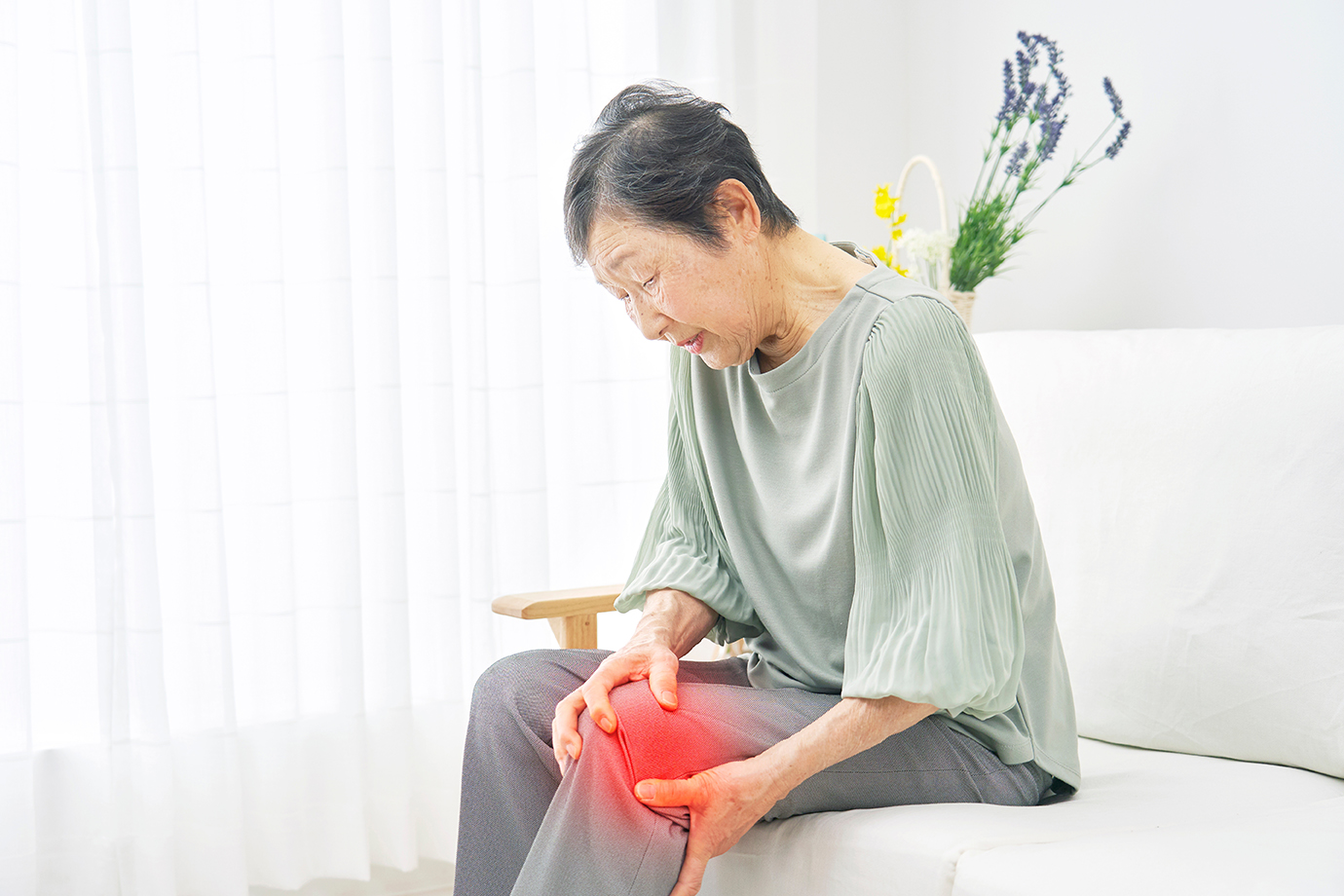
Elderly woman seated while holding her knee in discomfort, showing signs of persistent joint pain associated with rheumatoid arthritis.
A/Prof Leong Keng Hong - Senior Consultant Rheumatologist
A/Prof Leong Keng Hong Senior Consultant Rheumatologist MBBS (Singapore)MMed (Singapore)MD, MRCP (UK)FAMS (Singapore)FRCP (Edinburgh)

Ageing or Rheumatoid Arthritis? Understanding Joint Pain

Have you ever brushed off persistent joint pain as simply part of getting older? Many people assume that aching fingers, stiff knees or sore wrists are natural signs of ageing, especially when symptoms appear gradually over time. While age-related wear and tear can certainly contribute to joint discomfort, persistent pain and stiffness may sometimes point to an underlying inflammatory condition such as rheumatoid arthritis.

Recognising the difference is important because rheumatoid arthritis is a progressive autoimmune disease that can lead to joint damage if left untreated. Early diagnosis and timely treatment may help reduce inflammation, preserve mobility and improve long term quality of life.


Understanding Rheumatoid Arthritis

Rheumatoid arthritis is an autoimmune condition where the body's immune system mistakenly attacks the lining of the joints. This causes inflammation, swelling and pain that may gradually affect daily activities and mobility.

Unlike typical age-related joint degeneration, rheumatoid arthritis often affects multiple joints at the same time and may involve periods of flare ups where symptoms become more severe. The condition commonly affects the hands, wrists, knees and feet, though other joints can also be involved. Over time, persistent inflammation may damage cartilage, bone and surrounding tissues if not properly managed.

Signs That Joint Pain May Not Be Due to Ageing

Many people with rheumatoid arthritis initially assume they are simply experiencing normal ageing. However, there are several features that may suggest an inflammatory condition rather than routine wear and tear.

Morning Stiffness Lasting a Long Time

It is common to feel slightly stiff in the morning as people age. However, stiffness from rheumatoid arthritis often lasts longer than an hour and may significantly affect movement during the early part of the day.

Swelling and Warmth Around the Joints

Inflamed joints may appear swollen, tender or warm to the touch. This differs from occasional aches caused by physical activity or ageing alone.

Symptoms Affecting Both Sides of the Body

Rheumatoid arthritis frequently affects joints symmetrically. For example, both wrists or both knees may become painful or swollen at the same time.

Fatigue and General Unwellness

Some individuals experience tiredness, low energy or a general feeling of being unwell alongside joint symptoms. This occurs because rheumatoid arthritis is a systemic inflammatory condition rather than a problem isolated to one joint.

Symptoms That Gradually Worsen

Age-related discomfort may fluctuate depending on activity levels, but rheumatoid arthritis symptoms often become progressively more frequent or severe if left untreated.

What a Rheumatoid Arthritis Assessment May Involve

Doctor examining a patient's knee during a rheumatoid arthritis assessment.

Early assessment plays an important role in identifying whether persistent joint pain may be linked to rheumatoid arthritis or another inflammatory condition. Because symptoms can overlap with age-related joint changes, a proper medical evaluation helps determine the underlying cause and whether treatment is needed.

A detailed clinical assessment may involve:

  • Reviewing symptoms, medical history and family history
  • Examining affected joints for swelling, warmth, tenderness and reduced mobility
  • Assessing how long symptoms such as morning stiffness persist
  • Blood tests to look for inflammatory markers or autoimmune antibodies
  • Imaging such as X-rays or ultrasound scans if needed to evaluate joint inflammation or damage

Treatment Approaches for Rheumatoid Arthritis

Treatment is tailored according to symptom severity, disease progression and overall health needs. The goals are to reduce inflammation, relieve pain, preserve joint function and slow long term damage.

Medication for Rheumatoid Arthritis

The type of medication prescribed depends on the severity of rheumatoid arthritis and the level of inflammation present.

  • Nonsteroidal Anti-inflammatory Drugs (NSAIDs): NSAIDs help alleviate pain and inflammation. Over-the-counter options include ibuprofen while stronger NSAIDs may require a prescription.
  • Steroids: Steroids help reduce pain and inflammation while slowing joint damage. They may also help regulate the autoimmune response during periods of increased disease activity.
  • Disease-modifying Antirheumatic Drugs (DMARDs): DMARDs slow the progression of rheumatoid arthritis and help protect the joints and surrounding tissues from further irreversible damage.
  • Biologic Agents: Biologic agents specifically target parts of the immune system that trigger inflammation in the joints and tissues, helping to prevent further joint damage.

Therapy and Lifestyle Support

Aside from medication, therapy can help patients manage pain more effectively and improve quality of life. Therapists may suggest alternative ways to carry out daily activities to minimise discomfort and reduce stress on affected joints. Exercises may also be introduced to improve flexibility, strength and joint mobility. In some cases, assistive devices may be recommended to support movement and daily function.

Surgical Management

If medication and therapy prove insufficient, surgery may be considered to restore function, repair deformities and reduce pain.

  • Synovectomy: This procedure involves removing the inflamed synovium or joint lining and may be performed on the knees, elbows, wrists, fingers or hips.
  • Tendon Repair: Inflammation and joint damage may cause tendons around the joint to loosen or rupture. This procedure repairs the affected tendons.
  • Joint Fusion or Arthrodesis: This technique stabilises and realigns a joint by surgically fusing two bones together.
  • Joint Replacement: Damaged portions or the entire affected joint may be replaced with a metal or plastic prosthesis to improve mobility and function.

Gain Clarity on Persistent Joint Pain and Stiffness

Inflammatory conditions such as rheumatoid arthritis can gradually progress over time, potentially affecting mobility and everyday function if left unmanaged. Recognising early warning signs and seeking timely medical assessment may help reduce the risk of long term joint damage and support better symptom management.

At Leong Keng Hong Arthritis & Medical Clinic in Singapore, individuals experiencing ongoing joint pain, stiffness or swelling undergo a detailed clinical assessment to better understand their symptoms and condition. Care is provided by A/Prof Leong Keng Hong, and is tailored to each patient based on the underlying cause of their discomfort.

Schedule a consultation today to better understand what may be contributing to your symptoms and explore the most appropriate path forward for your joint health and recovery.

Meet Our Rheumatologist in Singapore

A/Prof Leong Keng Hong
Senior Consultant Rheumatologist

MBBS (Singapore) MMed (Singapore) MD, MRCP (UK) FAMS (Singapore) FRCP (Edinburgh)

A/Prof Leong Keng Hong is a senior consultant rheumatologist based at Gleneagles Medical Centre and an Adjunct Associate Professor at the Yong Loo Lin School of Medicine, National University of Singapore. A respected figure in Singapore’s rheumatology community, he is the founder of the Osteoporosis Society (Singapore), established in 1996, and previously served as its President. He also held key leadership roles within the Academy of Medicine, Singapore, including Inaugural Chairman of the Chapter of Rheumatologists.
Top