Choose Language: EN
Blog

Can Gout Be Prevented? Lifestyle and Risk Factors Explained
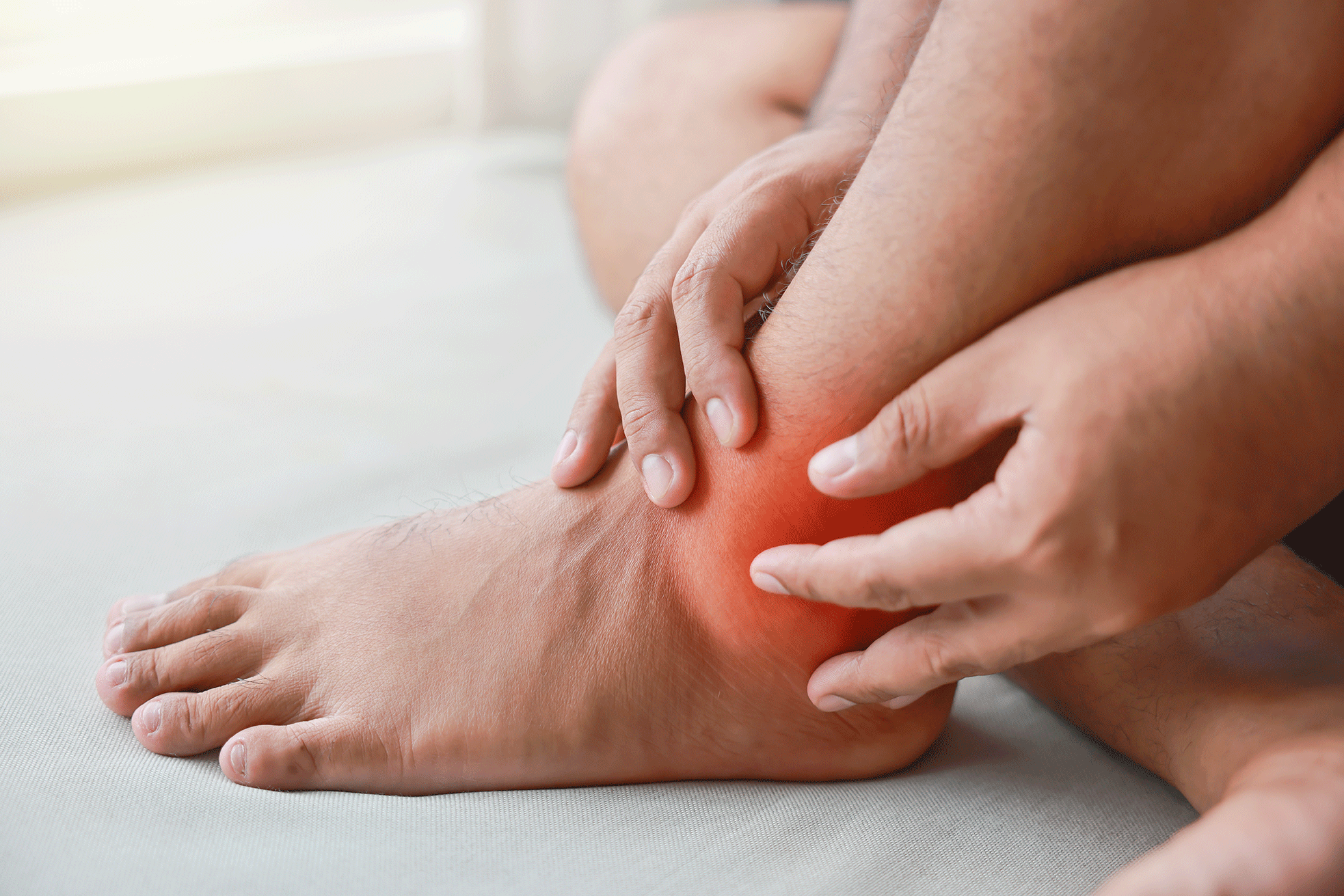
Man with swollen and red ankle joint, illustrating inflammation that can occur with gout flares.
A/Prof Leong Keng Hong - Senior Consultant Rheumatologist
A/Prof Leong Keng Hong Senior Consultant Rheumatologist MBBS (Singapore)MMed (Singapore)MD, MRCP (UK)FAMS (Singapore)FRCP (Edinburgh)

Gout often appears suddenly and can be intensely painful. Many people first notice sharp pain in the big toe, accompanied by swelling, redness and difficulty putting weight on the joint. Even simple movements, like walking or resting your foot, can become uncomfortable.

The good news is that gout can often be managed and, in many cases, prevented. By understanding your risk factors and making consistent lifestyle adjustments, you can reduce flare-ups and support long-term joint health.


Who Is at Risk of Gout?

Gout develops when uric acid builds up in the bloodstream and forms crystals within the joints. These crystals trigger inflammation, leading to the pain and swelling associated with gout attacks.

Several factors can increase your likelihood of developing this condition:

Family History of Gout

Genetics can influence how the body processes uric acid. Individuals with close family members who have gout may naturally have higher uric acid levels, which increases the likelihood of developing the condition.

Diet High in Purines

Foods rich in purines can raise uric acid levels when consumed frequently. These include red meat, organ meats, shellfish and certain oily fish such as sardines and anchovies. Being mindful of your intake can help reduce the risk of flare-ups.

High Sugar or Fructose Intake

Sugary drinks and processed foods, particularly those containing high-fructose corn syrup, can increase uric acid production. Regular consumption may gradually raise your risk.

Frequent Alcohol Consumption

Alcohol can interfere with how effectively your body removes uric acid. Beer and spirits, in particular, are associated with a higher risk of gout attacks.

Excess Body Weight

Carrying excess weight can increase uric acid production while reducing its elimination. Achieving and maintaining a healthy weight can support better control.

Underlying Medical Conditions

Conditions such as hypertension, diabetes, metabolic syndrome and kidney disease can affect how your body handles uric acid, increasing the likelihood of gout.

Woman at a breakfast table with healthy food options suitable for a gout‑friendly diet.

Diet and Lifestyle Changes for Gout Management

Although gout has a strong metabolic component, your daily habits play a key role in managing uric acid levels. Making consistent, practical changes can help reduce flare-ups and support long-term joint health.

Foods That Support Lower Uric Acid Levels

Certain dietary choices may help regulate uric acid and support overall well-being when included regularly.

  • Low-Fat Dairy Products: Options such as low-fat milk and yoghurt have been associated with lower uric acid levels and may support joint health.
  • Cherries and Other Berries: Cherries contain compounds that may help reduce inflammation and lower the frequency of gout attacks. Other berries may offer similar supportive benefits.
  • Coffee in Moderation: Moderate coffee consumption has been linked to lower uric acid levels in some individuals. It should be consumed as part of a balanced diet and suited to your overall health profile.
  • Whole Grains and Plant-based Foods: Whole grains, vegetables, legumes and plant-based proteins support metabolic health and generally do not increase gout risk. These foods can also help with weight management.

Daily Habits That Help Reduce Gout Risk

In addition to diet, your everyday routine can influence how well your body manages uric acid.

  • Regular Physical Activity: Engaging in consistent, moderate exercise supports a healthy weight and improves metabolic balance. Activities such as walking, swimming and cycling are typically gentle on the joints.
  • Adequate Hydration: Drinking sufficient water helps your kidneys flush out excess uric acid. Staying well hydrated throughout the day may reduce the likelihood of flare-ups.
  • Weight Management: Maintaining a stable, healthy weight supports better uric acid control. Gradual weight loss is recommended, as sudden or extreme dieting may trigger attacks.
  • Moderating Alcohol Intake: Limiting alcohol consumption, particularly beer and spirits, can support more effective uric acid elimination and reduce flare frequency.
  • Rest and Stress Management: Poor sleep and ongoing stress can affect your overall health and may worsen inflammation. Prioritising rest and practising relaxation techniques can support better long-term control.

Take Steps to Prevent Future Gout Attacks

If you have experienced gout before or are concerned about your risk, taking early steps can help you stay ahead of future flare-ups. By recognising your triggers and making sustainable lifestyle changes, you can better manage uric acid levels and protect your joints over time.

For more personalised guidance, consider scheduling a consultation at Leong Keng Hong Arthritis & Medical Clinic. A/Prof Leong Keng Hong can help you gain a clearer understanding of your condition and develop practical strategies to reduce the frequency of attacks and maintain a more comfortable lifestyle.

About Our Rheumatologist

A/Prof Leong Keng Hong
Senior Consultant Rheumatologist
MBBS (Singapore) MMed (Singapore) MD, MRCP (UK) FAMS (Singapore) FRCP (Edinburgh)

A/Prof Leong Keng Hong is a senior consultant rheumatologist at Gleneagles Medical Centre, where he provides comprehensive diagnosis and management of a broad spectrum of rheumatic conditions, including rheumatoid arthritis and other inflammatory and degenerative arthritides.

He previously served as the inaugural chairman of the Chapter of Rheumatologists under the Academy of Medicine and is currently an adjunct associate professor at the Yong Loo Lin School of Medicine, National University of Singapore. With extensive clinical experience and a strong commitment to patient-centred care, A/Prof Leong Keng Hong focuses on developing personalised, evidence-based treatment plans that optimise long-term outcomes and well-being.

spacer
Top